
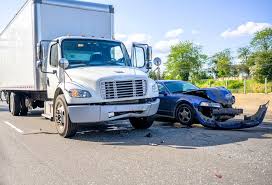
The San Fernando Valley’s busy corridors—where the 5, 405, 101, and 118 converge—see a constant flow of commercial trucks that keep Southern California supplied, yet they also create conditions for devastating collisions. If you were injured in a truck crash here, you’re not just facing a bigger version of a car case; you’re navigating a complex system of regulations, corporate risk management, and multilayered insurance that can overwhelm anyone trying to recover. This article explains what truly sets commercial truck claims apart, how to pinpoint who’s responsible, and which laws shape liability and settlement value in 2025. You’ll also learn how fatigue, maintenance failures, and electronic logs can become pivotal evidence and how to structure compensation to protect long-term needs after severe injuries. Throughout, we reference resources injury victims often rely on, including firms like https://hht-law.com/ that focus on major crashes, and we address bilingual support available to the community. Whether you’re just starting a claim or looking to strengthen negotiations, you’ll leave with practical insights to move forward confidently.
How Commercial Truck Accidents Differ from Standard Collisions
Commercial truck cases differ from car accidents in weight, momentum, and the breadth of rules that control how trucks operate on Valley freeways and surface streets. The physics alone—an 80,000-pound vehicle interacting with a passenger car—mean injuries are more severe, medical care is extensive, and the timeline to full recovery is longer. But the legal differences matter just as much: trucking companies must follow federal hours-of-service limits, maintain detailed inspection logs, and keep electronic data that can show what happened seconds before impact. These cases also tend to involve layered insurance, where a motor carrier’s primary policy, excess coverage, and sometimes a broker’s policy may all be in play. If language access is a concern, many victims turn to bilingual teams or specialized support like Abogados Accidentes De Camiones to ensure nothing gets lost in translation during critical early evidence collection.
Unique mechanics and liability layers
A truck’s stopping distance, blind spots, and turning radius create collision patterns unlike car-on-car crashes, from underride incidents to wide-turn impacts at intersections in Van Nuys or North Hills. Liability often extends beyond the driver to the employer, dispatcher, maintenance vendor, or cargo loader whose decisions shaped how safely the truck operated. Electronic control modules (ECMs), event data recorders, dashcams, and telematics can pinpoint speed, braking, throttle, and lane position at the moment of collision—data that simply isn’t available in most standard car accidents. Because commercial carriers plan for litigation, their insurers frequently dispatch rapid-response teams to the scene, which makes early preservation of logs, video, and parts crucial for injured people. Treating the claim like a typical fender-bender risks undervaluing lifetime medical needs and missing evidence that could clarify fault.
Identifying Responsible Parties in Employer-Related Crashes
In employer-related truck crashes, liability can reach far beyond the person behind the wheel, and identifying every responsible party is essential to matching the scale of harm. Vicarious liability (respondeat superior) can make the motor carrier liable for a driver’s negligence in the course and scope of employment, while direct claims may arise from negligent hiring, training, supervision, and retention. Cargo loading errors by a warehouse contractor, poor brake maintenance by a service vendor, or unrealistic dispatch schedules that incentivize speed can all lay the groundwork for shared responsibility. Shippers and brokers sometimes influence safety by setting deadlines or selecting carriers with questionable safety records, which can trigger claims depending on the facts and contracts. When families need guidance in Spanish, connecting with Abogados Accidentes De Camiones can help ensure each of these liability theories is developed thoroughly from the start.
Where liability commonly hides
- Motor carrier/employer: negligent training, supervision, or pressure to meet delivery windows
- Maintenance contractor: improper inspections, missed brake or tire replacements
- Cargo loader/warehouse: unbalanced or unsecured freight causing rollovers or jackknifes
- Broker or shipper: selection of unsafe carriers or impractical delivery requirements
- Manufacturer or parts supplier: defective tires, brakes, or coupling components
- Municipal entities: unsafe road design or maintenance contributing to the crash
California’s comparative fault rules mean each party’s percentage of responsibility matters to settlement strategy, especially when a high-limit policy shares exposure with smaller vendor policies. Contracts and certificates of insurance can reveal additional insureds or indemnity obligations that change negotiation dynamics. The earlier you gather driver qualification files, dispatch records, and maintenance histories, the more clearly you can see how the pieces fit together. If the crash involves a “leased-on” owner-operator, the motor carrier’s branding, operational control, and safety policies may still tie the company to the driver’s conduct despite independent contractor labels.
Federal and State Regulations Governing Truck Safety in 2025
As of 2025, truck safety in the San Fernando Valley—and across California—remains shaped by layered federal and state rules designed to reduce fatigue, ensure proper maintenance, and protect the public. Federal Motor Carrier Safety Administration (FMCSA) standards cover hours-of-service limits, electronic logging device (ELD) usage, driver qualification and drug/alcohol testing, vehicle inspection/repair protocols, and cargo securement. California’s additional framework includes strict emissions rules through CARB, speed differentials on many highways, and state-specific evidentiary and negligence standards that interact with federal preemption in certain areas. These rules don’t just exist in the background; they often become the backbone of liability arguments when a company ignores maintenance cycles, pushes unlawful schedules, or fails to remove unqualified drivers from service. If you’re coordinating care and claim strategy simultaneously, firms like https://hht-law.com/ can translate these regulations into tangible leverage during settlement talks or litigation.
Key rules that often affect claims
- Hours-of-service and ELD compliance: documenting drive time, rest breaks, and off-duty periods
- Pre- and post-trip inspections: daily checks and corrective action logs for brakes, tires, lights
- Driver qualification files: medical certification, training records, road tests, and violations
- Drug and alcohol testing: pre-employment, random, post-accident, and return-to-duty protocols
- Cargo securement standards: preventing shifting loads, falling debris, and rollover risk
- California-specific requirements: emissions compliance and state enforcement practices that may signal systemic safety issues
A violation doesn’t win a case by itself, but it highlights patterns of negligence, supports punitive damages in egregious situations, and increases a defendant’s incentive to settle. For Spanish-speaking families, coordinating with Abogados Accidentes De Camiones ensures these technical findings are explained clearly before key decisions. Regulatory context also shapes expert testimony—accident reconstructionists, safety auditors, and life-care planners can anchor their opinions in compliance data, making damages and liability harder for insurers to dispute.
Investigating Vehicle Logs, Fatigue, and Equipment Failure
The most decisive truck cases in the Valley are built on rigorous investigations into electronic logs, driver fatigue, and mechanical integrity. ELD and telematics records capture duty status, speed, braking, and route history, while ECM data and dashcam video can reveal the final seconds of behavior before impact. When late-night or early-morning wrecks occur on the 405 or 101, sleep debt and circadian rhythm disruption become key themes, and a careful review of schedules, fuel receipts, and dispatch messages can expose unlawful hours or unrealistic deadlines. Equally important is the physical condition of the truck: tire tread depth, brake thickness, ABS fault codes, and prior inspection reports tell a story that often contradicts a quick “driver error” narrative. Early issuance of a preservation demand—often called a spoliation letter—can stop critical evidence from being overwritten or destroyed.
Preserving and decoding electronic evidence
A thorough approach blends digital data with real-world context. Investigators pull GPS breadcrumbs, ECM snapshots, and ELD history; sync them with cell phone records and weigh station tickets; and then compare everything to the driver’s handwritten logs or bills of lading. Maintenance files, parts invoices, and repair work orders help spot chronic mechanical issues that should have grounded the truck before your crash. Sometimes a small component—an out-of-adjustment brake chamber or a mismatched tire—signals broader safety failures that place responsibility on the carrier and its vendors. Because defendants often move fast to control the narrative, coordinating experts early can ensure vehicle and trailer inspections happen before evidence is altered or lost.
When language or cultural barriers could slow down evidence gathering, tapping help from Abogados Accidentes De Camiones keeps witness interviews, medical documentation, and employer communications precise. On severe-injury cases, your legal team may also conduct a human factors analysis to tie fatigue science to decision-making at the wheel, strengthening causation. With a comprehensive evidence map, negotiations shift from generic “accident” framing to a compelling chain of corporate choices leading to your injuries.
Compensation Avenues for Severe or Permanent Truck Injuries
Serious truck accidents often mean long rehabilitations, multiple surgeries, or permanent disability, so compensation must reflect the true lifetime impact. Economic damages cover hospitalizations, future medical care, in-home assistance, lost wages, and diminished earning capacity, supported by a life-care plan and vocational analysis. Non-economic damages capture pain, suffering, disfigurement, and loss of enjoyment—components that frequently expand due to the intensity of truck collision trauma. In egregious cases—like willful HOS violations or knowingly unsafe equipment—punitive damages may be on the table, increasing pressure on corporate defendants to settle. For families dealing with wrongful death, survival claims, funeral costs, and loss of consortium add further layers to recovery planning, and bilingual guidance through Abogados Accidentes De Camiones can make these processes more accessible.
Maximizing recovery without leaving money on the table
- Identify every policy: primary, excess, umbrella, and potential broker/shipper coverage; evaluate stacking and MCS-90 implications
- Leverage liens: negotiate reductions for health insurers, Medicare, and workers’ compensation to increase net recovery
- Consider structured settlements: protect long-term needs for catastrophic injuries with tax-advantaged payment streams
- Preserve public benefits: coordinate special needs trusts when appropriate to avoid disrupting eligibility
- Track milestone damages: use surgery schedules, maximum medical improvement, and independent medical evaluations to time negotiations
Truck cases often include third-party claims—such as product liability for a failed component or negligent roadway design—that meaningfully expand the recovery pool. If underinsured motorist coverage applies, a carefully sequenced claim can supplement commercial liability proceeds without breaching policy conditions. Settlement strategy should weigh trial risk, venue tendencies in Los Angeles County, and the defendant’s appetite to avoid regulatory scrutiny that a public verdict could invite. When you’re ready to align evidence with damages and negotiate from a position of strength, firms with focused experience, such as https://hht-law.com/, can coordinate experts, manage complex insurance layers, and present your story in a way that resonates with adjusters, mediators, and juries alike.