
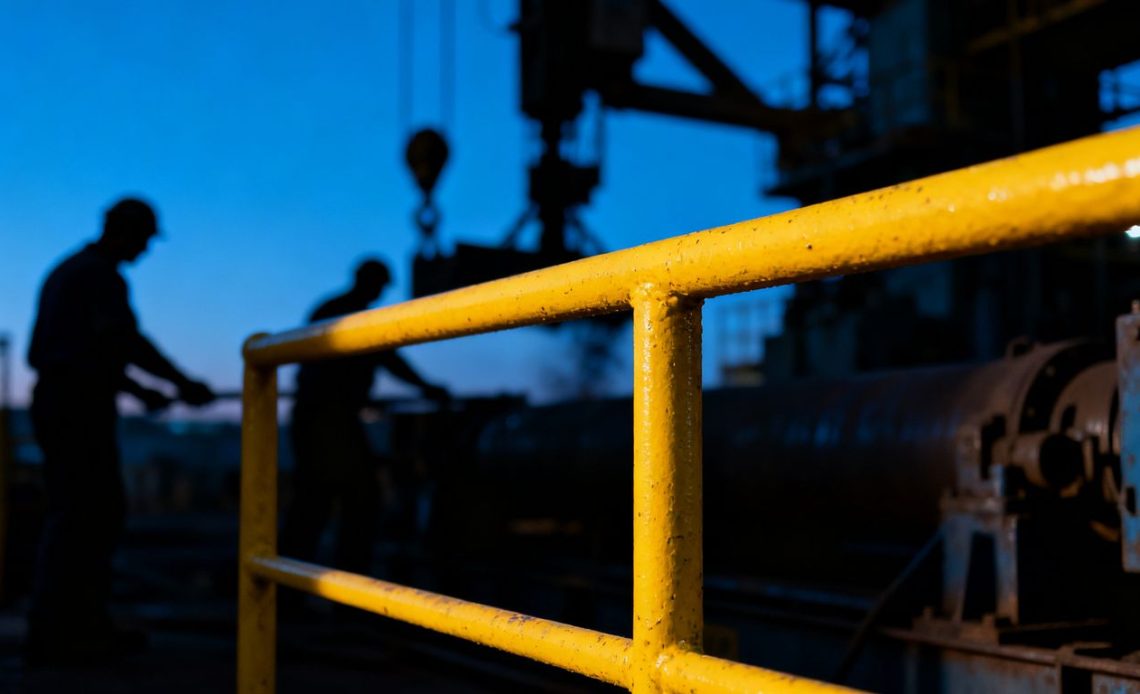
The preservation of human well-being in the professional environment is a fundamental responsibility that transcends basic compliance. When organizations treat safety protocols as obstacles to efficiency rather than essential operational components, they gamble with the lives of their staff. Understanding these incidents requires a look at the intersection of corporate policy and human risk.
Defining safety negligence in the modern workplace
Safety negligence occurs when a business entity fails to uphold the duty of care owed to its employees. This often manifests as chronic oversight of known hazards, resulting in environments where preventable accidents become common occurrences instead of outliers. By failing to act on clear warning signs, management effectively signals that productivity is prioritized over basic protections.
The role of OSHA in setting minimum standards
Regulatory bodies serve as the baseline for industrial conduct, dictating the necessary equipment and procedures for diverse sectors. Guidelines help ensure a safe workplace by mandating that employers address risks before they cause physical harm or long-term health crises. Compliance is meant to be a floor, yet too often it is treated as an unreachable ceiling by firms seeking to shave costs at the expense of their workforce.
Analyzing the tension between output metrics and safety protocols
Daily output targets frequently create a pressurized environment that discourages caution. Workers may feel forced to ignore standard operating procedures to reach unrealistic quotas, leading to corners being cut at every stage of production. This persistent conflict often leads to recurring safety dangers that continue to plague modern industries across the country.
Common industries prone to safety exploitation
Certain sectors have historically harbored higher risks for occupational hazards, often due to the physical nature of the tasks involved. While technological advancements have improved potential safeguards, the human element remains susceptible to exploitation by companies driven by cut-throat margins. Identifying these high-risk areas is the first step in demanding a standard of care that protects every employee.
Risks in heavy manufacturing and industrial sectors
Heavy machinery operation creates significant exposure to physical injury if protocols are not strictly managed. Employers in this sector must demonstrate a commitment to rigorous training and equipment maintenance, yet the reality is often skewed by the pressure to maintain constant assembly lines.
Safety concerns in high-pressure logistics and warehousing
Modern distribution hubs operate under extreme time sensitivity, where every second counts toward meeting delivery windows. This environment often leads to the following hazards:
- Fatigue-related incidents from extended and mandatory overtime hours.
- Improper training on heavy load handling and equipment operation.
- High-speed traffic in pedestrian-heavy zones without clear marking.
- Inadequate maintenance of automated sorting and lifting machinery.
These factors combine to create a high-risk operating environment for frontline warehouse staff, where shortcuts taken in the name of speed directly correlate to elevated injury rates.
Addressing exploitation in construction and site management
Construction sites are inherently complex landscapes that require constant vigilance to manage dynamic risks. Site managers bear the burden of ensuring that fall protection, PPE, and communication remain at the forefront, even when project timelines are compressed to meet aggressive delivery dates.
Monitoring non-traditional service-sector hazards
Even in seemingly low-risk office or service environments, safety cannot be assumed. Hidden dangers like poor ergonomics, high-stress demands, or inadequate emergency planning demonstrate that neglect is not limited to factory floors or high-altitude sites.
The multi-faceted consequences of prioritizing profit
When a company chooses to bypass safety to maximize short-term financial gains, the negative externalities are massive. These costs, ranging from human trauma to institutional decay, eventually manifest in the company’s own bottom line. The cycle of poor practices inevitably leads to diminished long-term viability and moral bankruptcy.
Long-term financial impact of workplace accidents and litigation
Frequent accidents attract regulatory scrutiny and massive legal fees, often dwarfing the perceived savings of neglected safety. Companies often find themselves trapped in cycles of litigation, which can be mitigated only through a complete overhaul of their internal culture.
The psychological and physical toll on the workforce
Beyond surface-level injuries, workers suffer from the prolonged, underlying stress of functioning in a dangerous environment. The degradation of physical stamina and mental health creates a workforce that is less capable, less motivated, and increasingly disenfranchised from the goals of their employer.
Brand reputation damage and loss of public trust
In the digital age, a company found neglecting worker conditions cannot hide under a veil of corporate jargon. The public, more informed and ethically conscious than ever, creates a social accountability loop that can result in the loss of major contracts and sustained negative attention.
Impact on worker retention and organizational culture
High turnover is often a symptom of an unsafe environment, as employees seek stability and dignity elsewhere. This cycle of exit and training is expensive and demoralizing, further eroding the foundation of the organization and its ability to thrive over time.
Recognizing corporate policies that undermine safety
Corporate structures often hide hazardous policies behind vague mission statements or operational buzzwords. Recognizing these patterns allows regulators and employees to see through the veneer of “efficiency” to the underlying systemic failure. These policies represent a conscious decision to value outcomes over people.
Excessive production quotas and pace-of-work demands
When performance metrics are set without regard for physiological human limits, workers are pushed to bypass essential safety checks. This structural requirement forces the individual to choose between their speed of work and their own safety, a choice that should never exist.
Insufficient investment in safety equipment and infrastructure
Cutting costs by delaying maintenance or buying substandard safety equipment is a direct indication of corporate values. An aging infrastructure is a ticking clock, yet it is often the first area to see disinvestment when a company tries to boost short-term shareholder reports.
Discouragement of safety training and incident reporting
Some corporate cultures discourage reporting by creating an atmosphere of fear or by labeling reports as “product loss.” By suppressing the communication of near-misses, companies lose the opportunity to correct systemic issues before they result in a tragic accident.
The misuse of temporary or contract labor to avoid oversight
Utilizing a revolving door of temp staff is a classic tactic to reduce direct responsibility for long-term safety training. These workers, who often lack the institutional knowledge of a site, are placed into high-hazard tasks without the proper background or vetting required for a safe operation.
Navigating reporting and whistleblower protections
Reporting a safety issue is a right protected by law, yet many employees suffer from a legitimate, deep-seated fear of retaliation. Understanding the legal avenues available is crucial for those hoping to force improvements without risking their professional livelihoods. Knowledge of these mechanisms provides the necessary leverage to demand institutional change.
Documenting evidence of safety violations internally
Maintaining a log of incidents and safety concerns is vital for establishing a pattern of negligence. When documenting, it is essential to record dates, locations, and the parties involved, creating a trail that proves that management was aware of the risks and failed to intervene.
External reporting procedures: how to file a formal complaint
For workers facing danger in specific regions, formal channels are readily available. If you are in California, you can file a complaint with Cal/OSHA to address hazards directly, while employees operating in Washington can use available safety complaint guidance to initiate reports locally.
Understanding whistleblower protections against employer retaliation
Labor laws exist to shield employees from discrimination for exercising their rights. Though companies may attempt to silence dissent, legal protections are designed to hold employers accountable for retaliatory firing or demotion following a protected safety report.
Utilizing legal counsel for complex labor disputes
When a standard report does not suffice, seeking specialized support is a necessary final step. Victims of accidents caused by negligence often consult with a workplace injury attorney to understand the nuances of their labor rights and, when necessary, to force the legal remediation of dangerous conditions.
Cultivating a culture of safety over production
Transformation requires moving beyond temporary fixes and addressing the roots of organizational decision-making. Leadership must fundamentally pivot to prioritize long-term sustainability and employee welfare. This involves building a framework where safety is not an add-on, but the standard operational mode.
Shifting leadership incentives away from pure profit models
Executives must be held accountable through incentives that include safety benchmarks, not just revenue milestones. When bonuses and promotion pathways include metrics based on hazard reduction, the entire leadership team adopts a different view of daily operations.
Implementing proactive safety audits and hazard identification
Safety audits should involve those on the ground floor, as they possess the most accurate insights into the daily realities of production. By treating these audits as a collaborative diagnostic tool rather than a punitive exam, organizations can identify hazards long before they become active threats.
Empowering employees through safety committees and transparent communication
Employees should have a direct, non-punitive path to voice their safety concerns. Creating committees with the power to pause production during an active emergency restores a sense of dignity to the workforce. This transparency creates resilience, ensuring that the company focuses on its greatest asset—the people who perform the work every day.