
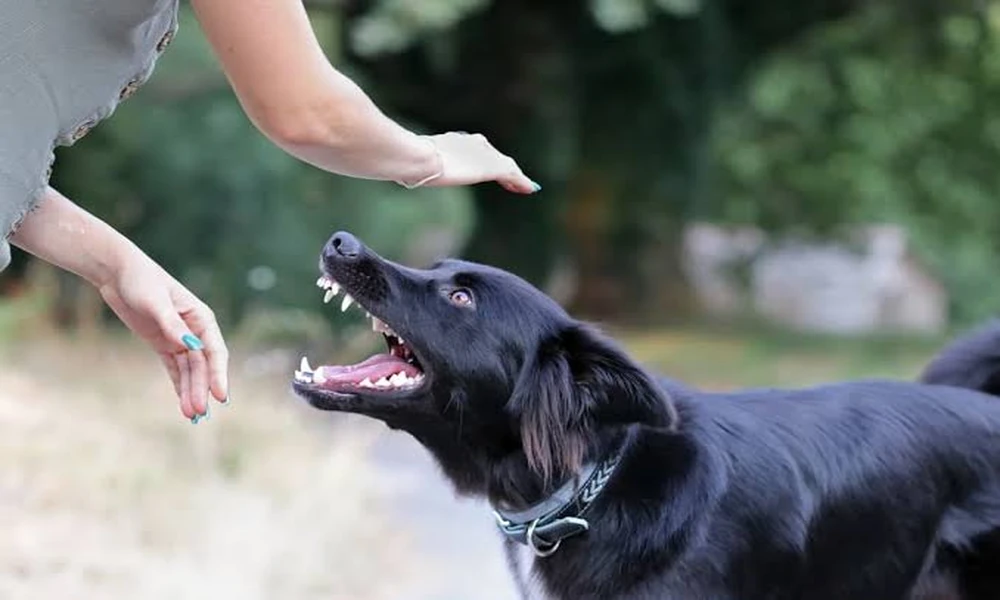
Public spaces are meant to be shared safely, whether people are walking through a neighborhood park, exercising on a trail, visiting an outdoor shopping area, or simply using a sidewalk. Unfortunately, an unexpected dog attack can turn an ordinary outing into a serious incident involving physical injuries, emotional distress, medical expenses, and questions about who should be held responsible.
Determining responsibility after an attack in a public place is not always as straightforward as identifying the dog’s owner. The location, circumstances of the incident, applicable laws, and actions of everyone involved may influence a potential claim. Speaking with an attorney for dog bite cases can help an injured person understand which facts may establish liability and what evidence could be important when seeking compensation.
Dog Owner Responsibility In Public Areas
Dog owners generally have a responsibility to maintain reasonable control over their animals when taking them into public spaces. Local rules may establish requirements concerning leashes, designated off-leash areas, or other forms of animal control.
When an owner ignores applicable restrictions and the dog attacks another person, that conduct may become important when responsibility is evaluated. For example, evidence that a dog was roaming freely in an area where a leash was required could help demonstrate that the owner failed to properly control the animal.
However, every incident has its own circumstances. Investigators may need to determine where the attack happened, what the dog and owner were doing immediately beforehand, and whether any specific animal control regulations applied.
The Location Of The Attack Can Matter
The exact location can significantly influence how an incident is assessed. A dog attack might occur on a sidewalk, in a public park, on a recreational trail, outside a business, or in another shared area.
Different rules may apply depending on who manages the property and whether dogs are permitted there. Some parks have designated areas where dogs can legally be off-leash, while other locations require animals to remain restrained.
Simply establishing that an attack occurred in public does not answer every liability question. Understanding the rules governing that particular location can provide useful context for determining whether the owner acted appropriately.
Evidence Can Help Establish What Happened
Dog attacks can happen quickly, leaving victims with little time to process the sequence of events. Gathering evidence afterward can therefore be particularly important.
Photographs of injuries, damaged clothing, the location, warning signs, and surrounding conditions may help document the incident. Medical records can establish the nature of the injuries and the treatment required. If nearby businesses or public facilities have security cameras, available footage may provide additional information about how the attack occurred.
Witnesses can also be valuable. Someone who saw whether the dog was restrained, observed its behavior before the attack, or heard conversations immediately afterward may be able to provide an independent account.
Previous Behavior May Become Relevant
Depending on applicable law and the circumstances of the claim, information about the dog’s previous behavior may also be examined. Previous attacks, aggressive incidents, complaints, or warnings could provide additional context regarding what the owner knew about the animal.
Records from animal control agencies may sometimes contain useful information. Neighbors, previous victims, or other witnesses could also have knowledge of earlier incidents.
The relevance of such information depends on the legal theory involved, so previous behavior should be considered alongside the other facts rather than automatically treated as proof of responsibility.
Could Another Party Share Responsibility?
Although the dog’s owner is often the primary focus, certain cases may involve additional parties. For example, another person may have been responsible for controlling the dog when the attack happened.
Some incidents may also raise questions about businesses, property managers, event organizers, or other parties responsible for a public-facing location. Their potential responsibility depends heavily on their relationship to the dog, control over the premises, knowledge of a possible hazard, and applicable law.
Identifying every potentially responsible party is particularly important when an attack results in substantial medical costs or long-term injuries.
The Victim’s Actions May Also Be Examined
Liability investigations often consider the complete circumstances surrounding an attack. The behavior of the injured person may therefore become part of the discussion.
Questions might arise about whether the person interacted with the dog before the incident, ignored clear warnings, or engaged in conduct that affected the animal’s behavior. These questions do not automatically eliminate a person’s ability to pursue compensation. Their importance depends on the facts and the laws governing the case.
This is another reason detailed evidence from the scene can be valuable. Independent documentation can provide a clearer picture when the people involved offer different versions of events.
Injuries Can Create Significant Financial Consequences
Dog attacks can cause puncture wounds, lacerations, infections, nerve damage, fractures, and permanent scarring. Severe incidents may require emergency treatment, surgery, rehabilitation, or ongoing medical care.
The financial effects can extend beyond medical bills. A person may miss work during recovery or experience limitations that affect future employment. Serious scarring or psychological effects can also influence everyday life long after physical wounds have healed.
Documenting these consequences helps establish not only what happened but also how significantly the attack affected the injured person.
Establishing Responsibility Requires The Full Picture
A dog attack in a public place can involve several overlapping legal and factual questions. Determining responsibility may require examining animal control rules, the owner’s conduct, the dog’s behavior, witness accounts, medical documentation, video footage, and the specific location where the incident occurred.
Preserving evidence early can make it easier to reconstruct the event and evaluate potential responsibility. An injured individual can make better decisions about seeking compensation for the damages brought on by the attack if they have a thorough grasp of the situation.