
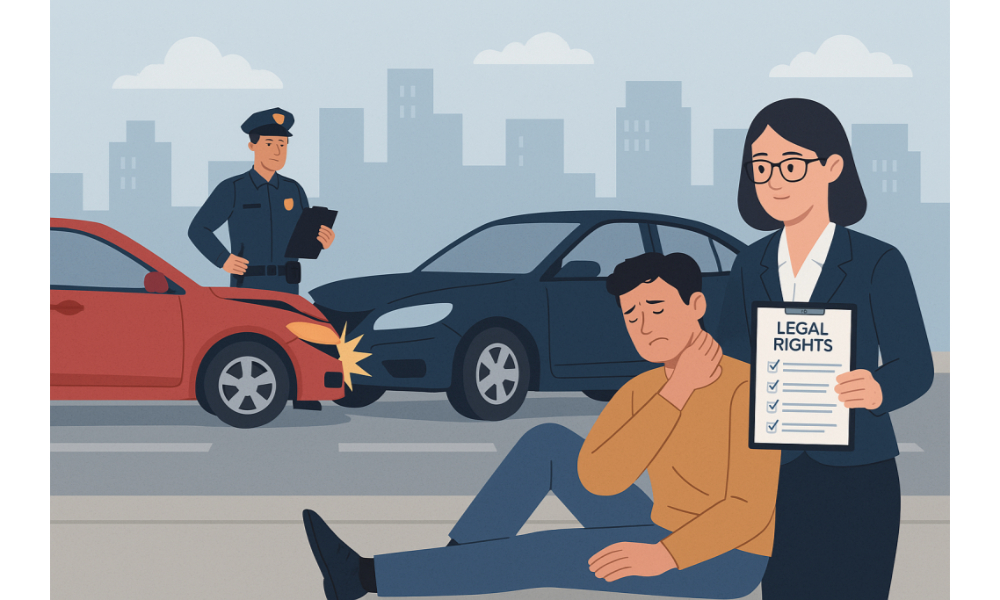
Car accidents are one of the most common causes of personal injury claims in the United States. In busy metropolitan areas such as Atlanta, heavy traffic, complex intersections, and distracted driving can increase the likelihood of collisions. For individuals who have never dealt with the legal system before, understanding how accident claims work can feel overwhelming.
This guide explains the key aspects of car accident claims in Georgia, including how liability is determined, what types of compensation may be available, and how a personal injury lawyer Atlanta GA may help individuals understand the legal process after a crash.
Why Car Accident Claims Can Be Complicated
After a car accident, several issues must often be addressed at the same time. Injured individuals may be dealing with medical treatment, vehicle repairs, insurance claims, and lost income from missed work.
Car accident cases can become complex because multiple parties may be involved, including:
- Drivers and passengers
- Insurance companies
- Law enforcement officers
- Medical providers
- Accident reconstruction experts
Because each accident involves different facts, determining who is responsible often requires careful investigation and documentation.
Common Causes of Car Accidents in Atlanta
Many car accidents are caused by driver behavior. Understanding these causes can help explain how liability may be determined in a personal injury claim.
Distracted Driving
One of the leading causes of accidents today is distracted driving. Activities such as texting, using navigation systems, or adjusting music can take a driver’s attention away from the road.
Speeding
Driving above the speed limit reduces reaction time and increases the severity of accidents.
Failure to Yield
Many collisions occur at intersections when drivers fail to yield the right of way.
Driving Under the Influence
Alcohol or drug impairment can significantly affect judgment, coordination, and reaction time.
Poor Weather Conditions
Rain, fog, or icy roads can contribute to accidents when drivers fail to adjust their speed or driving behavior.
When an accident occurs, investigators often review these factors to determine who may be responsible.
Understanding Negligence in Car Accident Cases
Most car accident claims are based on the legal concept of negligence. Negligence occurs when someone fails to act with reasonable care and causes harm to another person.
To establish negligence in a personal injury case, four elements generally must be shown:
- A duty of care existed
- That duty was breached
- The breach caused an accident
- The accident resulted in damages
For example, drivers have a duty to follow traffic laws and operate vehicles safely. If a driver runs a red light and causes a crash, that action may be considered negligent.
Georgia’s Comparative Negligence Rule
Georgia follows a legal rule known as modified comparative negligence. This rule determines how compensation is awarded when more than one party may be responsible for an accident.
Under Georgia law:
- An injured person may recover damages if they are less than 50 percent responsible for the accident.
- The amount of compensation awarded is reduced based on their percentage of fault.
For example, if someone is found to be 20 percent responsible for a collision, their compensation would be reduced by 20 percent.
Because insurance companies often attempt to shift blame to reduce payouts, determining fault accurately is an important part of the legal process.
Types of Injuries Seen in Car Accidents
Car accidents can cause a wide range of injuries, from minor conditions to severe trauma. Some injuries may not appear immediately after the crash, which is why medical evaluation is often recommended following an accident.
Common car accident injuries include:
- Whiplash and neck injuries
- Broken bones and fractures
- Traumatic brain injuries
- Spinal cord injuries
- Internal bleeding or organ damage
- Soft tissue injuries
The severity of injuries often plays a significant role in determining the value of a personal injury claim.
What Damages May Be Available After an Accident
In personal injury cases, damages refer to financial compensation awarded to an injured person for losses resulting from an accident.
These damages typically fall into two categories.
Economic Damages
Economic damages are measurable financial losses, such as:
- Medical bills
- Rehabilitation costs
- Lost wages
- Reduced earning capacity
- Property damage
Non-Economic Damages
Non-economic damages address the personal impact of injuries. These may include:
- Pain and suffering
- Emotional distress
- Loss of enjoyment of life
- Permanent disability or disfigurement
The value of these damages can vary depending on the severity of the injuries and the long-term effects on the victim’s life.
How Evidence Is Used in Car Accident Claims
Strong evidence is often necessary to support a personal injury claim. Attorneys and investigators may review several types of evidence when building a case.
Police Reports
Officers who respond to accident scenes often document their observations and may issue citations for traffic violations.
Medical Records
Medical documentation helps demonstrate the severity of injuries and the treatment required.
Witness Statements
Independent witnesses can provide valuable perspectives about how the accident occurred.
Photographs and Video Footage
Photos of the accident scene, vehicle damage, and road conditions may help reconstruct what happened.
Gathering and preserving evidence early can strengthen a claim and clarify how the accident occurred.
When Individuals Seek Legal Guidance
After a serious car accident, many individuals seek legal guidance to better understand their options. Insurance claims and liability disputes can be difficult to navigate, particularly for people unfamiliar with legal procedures.
A personal injury lawyer Atlanta GA may assist with tasks such as:
- Investigating the accident
- Reviewing medical records and damages
- Communicating with insurance companies
- Negotiating settlement offers
- Preparing a case if litigation becomes necessary
While not every accident results in a lawsuit, legal guidance can help individuals understand the potential steps involved.
Helpful Legal Resources
Individuals interested in learning more about personal injury law may find helpful information through trusted public resources.
For example, the Georgia Judicial Branch website provides educational information about court procedures and civil cases. Another useful resource is the Cornell Law School Legal Information Institute, which explains legal terms and concepts in plain language.
These resources can help individuals better understand legal terminology and processes.
Final Thoughts
Car accidents can create financial, physical, and emotional challenges for those involved. Understanding how personal injury claims work can help individuals navigate the aftermath of a crash with greater clarity.
By learning about negligence, comparative fault, available damages, and the role of evidence in accident cases, individuals can better understand their rights under Georgia law. Consulting a knowledgeable personal injury lawyer Atlanta GA may also help injured individuals explore their legal options and understand the steps involved in pursuing a claim.